
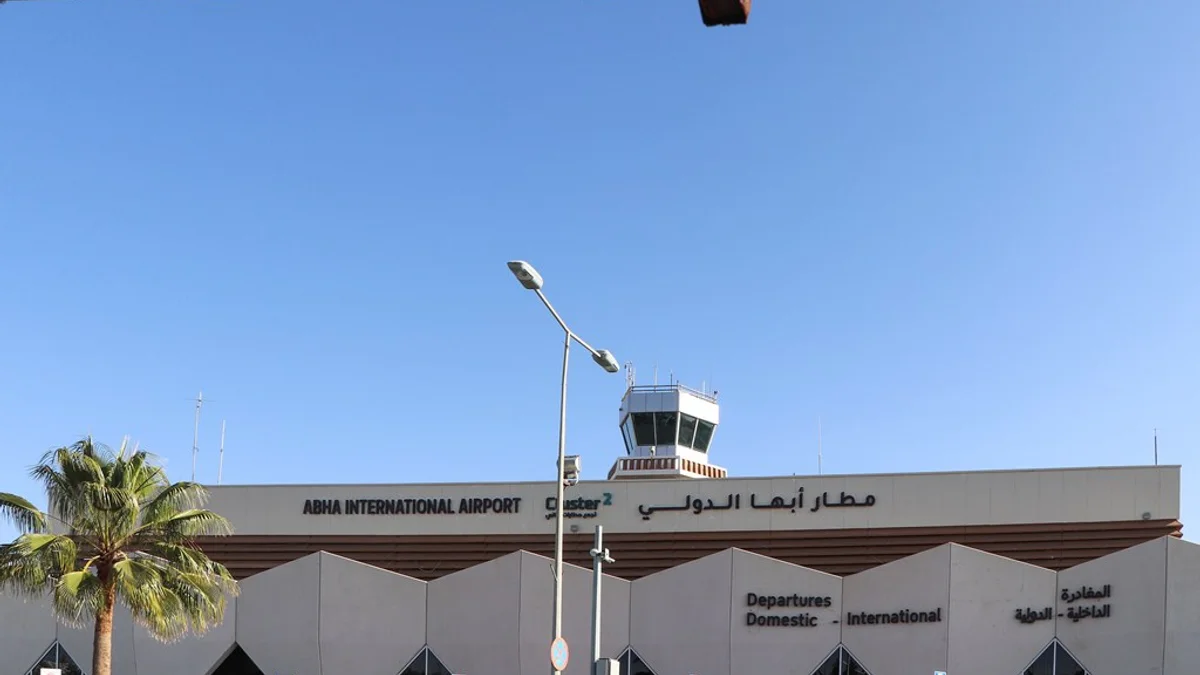
Saudi Arabia had stopped issuing public warnings about potential military strikes just days before a series of deadly attacks on Riyadh airport. The attacks left at least 18 people dead and over 300 injured. Questions are now being raised as to why no public alert was issued prior to the four attacks on Riyadh last week.
Contrasting Approach to Regional Neighbors
In contrast, Qatar’s interior ministry issued mobile phone alerts ahead of almost every attack, warning citizens to stay indoors and away from windows. Bahrain and Kuwait have also repeatedly sounded sirens urging people to move to safe locations. Saudi Arabia began sending threat alerts via mobile phones and social media in May, but the system remained completely silent despite escalating attacks.
Why Were Alerts Halted? Officials Reveal Reasons
Prior to last week's airport attacks, Western government officials asked Saudi counterparts why the alerts had been suspended. In response, it was explained that the alerts were causing too much disruption, with many citizens complaining about disturbed sleep at night. However, no official government statement has been released regarding this matter.

Energy Conference Held Amidst Tensions
Despite these attacks and security concerns, Saudi Arabia hosted an international conference. During the World Petroleum Council Energy Congress in Riyadh, Energy Minister Prince Abdulaziz bin Salman took a firm stance, stating the country would not let its economic plans derail.
'The Freelance' independently verifies claims reported in international news and security dossiers. This report is based on insights and updates from verified global news agencies and official statements. Media credits: Reuters / Respective Sources.



National Desk, The Freelance
Verified Editorial DeskPolitics, Governance & Public Interest Reporting Team
The Freelance National Desk provides round-the-clock, verified, and in-depth analytical reporting on Indian politics, governance, policy decisions, parliamentary affairs, and public interest matters. We are committed to unbiased, factual journalism based on verified agencies, official statements, and on-the-ground correspondents.