
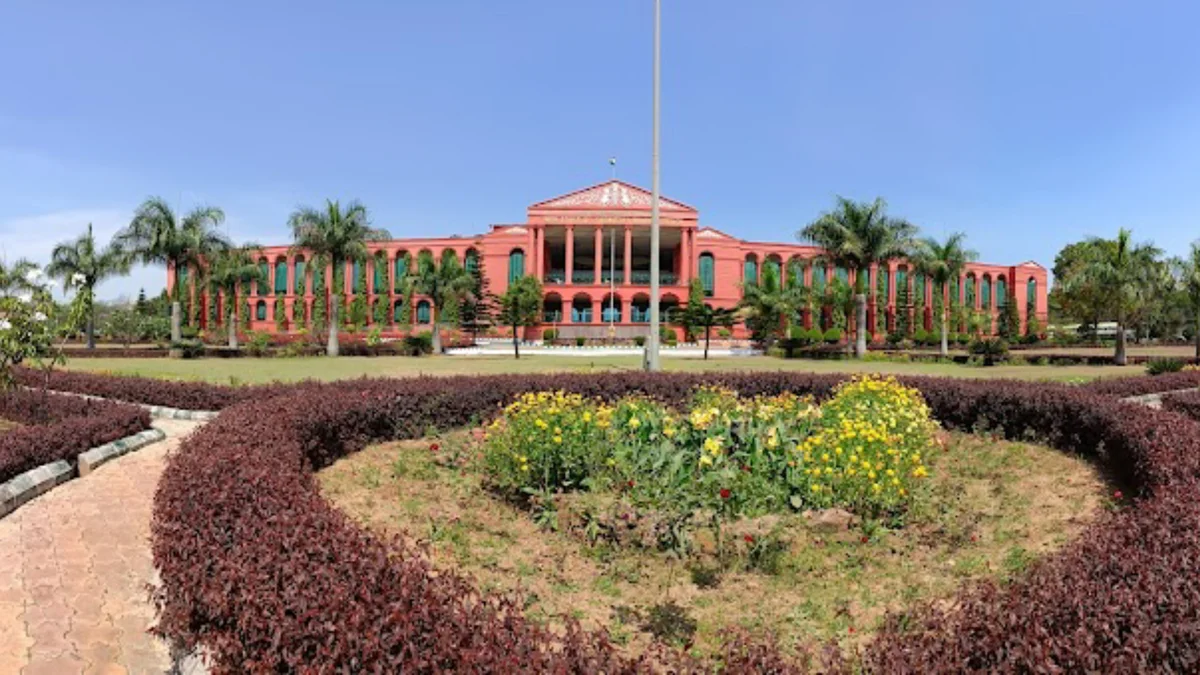
The Karnataka High Court has struck down the amendments made to increase the reservations for Scheduled Castes (SC) and Scheduled Tribes (ST) in the state. The court stated that the 2022 law violated the 50 percent maximum ceiling set by the Supreme Court, rendering it unconstitutional.
Under the state legislation, the SC quota was increased from 15 percent to 17 percent, and the ST quota was raised from 3 percent to 7 percent. This pushed the total reservation for SC, ST, and Other Backward Classes (OBC) from 50 percent to 56 percent.
Strict Observation on Violating the 50 Percent Ceiling
A bench comprising Chief Justice Vibhu Bakhru and Justice K.S. Hemalekha pronounced the verdict, noting that Section 3 of the Karnataka Scheduled Castes and Scheduled Tribes (Reservation of Seats in Educational Institutions and of Appointments or Posts in the Services under the State) Act, 2022, violates Articles 14 and 15 of the Constitution. Additionally, Section 4 concerning enhanced reservation in public employment was also struck down.
The court emphasized that any reservation policy breaching the 50 percent cap established in the landmark 1992 Indra Sawhney case violates constitutional provisions. The law was originally enacted during the tenure of former Chief Minister Basavaraj Bommai's BJP government.
Government Weighs Legal Options
Reacting to the verdict, Karnataka Deputy Chief Minister G. Parameshwara called it a serious development with far-reaching consequences for social justice, educational opportunities, and public employment. He stated that the state government is examining all legal options, including an appeal in the Supreme Court.
'The Freelance' does not independently verify the claims made in viral social media videos or related circulating reports. Video Courtesy: Respective Social Media Handles / Creators.


States & Regional Bureau, The Freelance
Verified Editorial DeskState Affairs & Grassroots Reporting Bureau
Delivering verified, on-the-ground reporting on state governance, regional development, grassroots public challenges, and local administrative reforms across India. We are committed to unbiased, factual journalism based on verified agencies, official statements, and on-the-ground correspondents.