
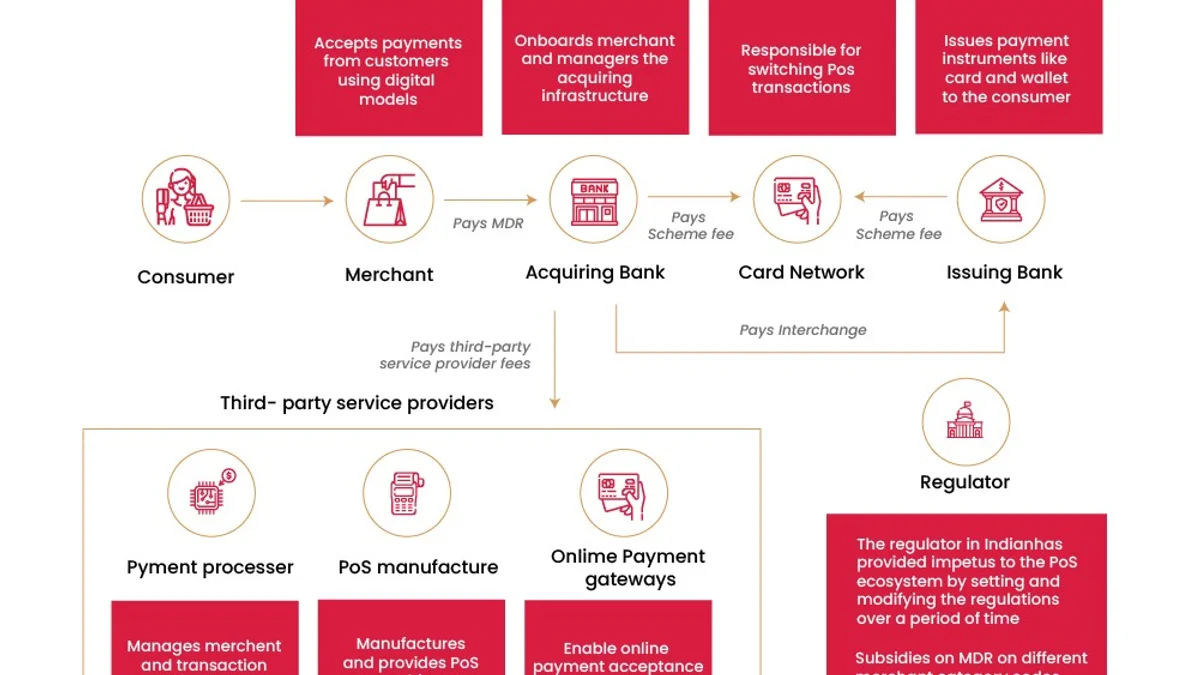
The implementation of the Merchant Discount Rate (MDR) on UPI transactions has been temporarily put on hold, but it would be premature to view this as a permanent step back by the government. The reality is that the government has not withdrawn its decision to impose the fee; rather, it has simply extended the timeline for its rollout. Discussions point toward implementing this framework after Diwali, making it difficult to treat this current relief as permanent. In the coming days, this issue is likely to resurface as a flashpoint for political debate and merchant opposition.
Decision Driven by the Festive Season
The National Payments Corporation of India (NPCI) and the UPI & Services Steering Committee postponed the rollout of MDR on Person-to-Merchant (P2M) transactions, keeping the festive season in mind. Initially slated to take effect from October 15, 2026, the fee has now been pushed past Diwali, although a definitive new date has yet to be announced. While this decision has provided immediate relief to the retail market, there is no clear indication of the fee being entirely scrapped.
The Diwali period is critically important for India's retail sector. With a surge in purchases ranging from apparel and electronics to jewelry and household goods, digital payment usage peaks during this time. Imposing a fee on UPI transactions amid this rush could have increased operational costs for merchants and created confusion in the payment ecosystem. Consequently, deferring the decision was a practical move, also giving banks, fintech companies, and payment aggregators extra time for technical preparedness.
What Lies Ahead After Diwali?
The pressing question remains: what happens after Diwali? If the government moves forward with implementing the proposed charges, voices of dissent could grow louder once again. For small business owners in particular, the prospect of adding transaction costs to a digital payment ecosystem built on zero-fee convenience is a major worry. Even though the proposed fee is intended for merchants rather than directly charging customers, increased merchant overheads could ultimately trickle down into pricing structures or payment preferences.
Under the initial framework, select large merchant transactions were slated for charges. Proposals included a 0.4 percent MDR on eligible UPI payments exceeding ₹2,000, and a maximum fee of ₹300 for higher-value transactions. Additionally, sectors like railways, telecom, insurance, and fuel had proposals for a ₹5 per transaction fee on payments above ₹2,000. However, the final scope and enforcement conditions will only become clear once the definitive guidelines are issued. Regular peer-to-peer (P2P) UPI transactions between ordinary consumers are slated to remain free.
Political Dimensions of the Issue
The political implications of this development are equally significant. Opposition leaders, including Congress MP Jairam Ramesh, questioned the government's stance, pointing out that the Finance Minister had denied plans to levy MDR on UPI in Parliament back in August, only for a rollout announcement to emerge in September. The opposition labeled this sequence of events a policy U-turn. Postponing the decision until after Diwali gives political critics another opportunity to demand transparency from the government.
Ultimately, deferring a decision and scrapping it entirely are two different things. The government has not announced the absolute cancellation of the MDR fee. Thus, the window leading up to Diwali serves as an opportunity to calm opposition and prepare the infrastructure, but it does not mark the end of the controversy. If a rollout date is formally announced post-Diwali, fresh questions from traders and political parties are bound to follow. Therefore, this development should be viewed not as relief from UPI charges, but merely as an extension of the countdown. The decision stands; only its clock has been pushed forward.
'The Freelance' does not independently verify the authenticity of claims made in this viral social media video. The video remains a subject of widespread discussion across social media platforms. Video credits: Respective social media handle / creator.

States & Regional Bureau, The Freelance
Verified Editorial DeskState Affairs & Grassroots Reporting Bureau
Delivering verified, on-the-ground reporting on state governance, regional development, grassroots public challenges, and local administrative reforms across India. We are committed to unbiased, factual journalism based on verified agencies, official statements, and on-the-ground correspondents.