The Breakdown of the Russia-Ukraine Energy Ceasefire
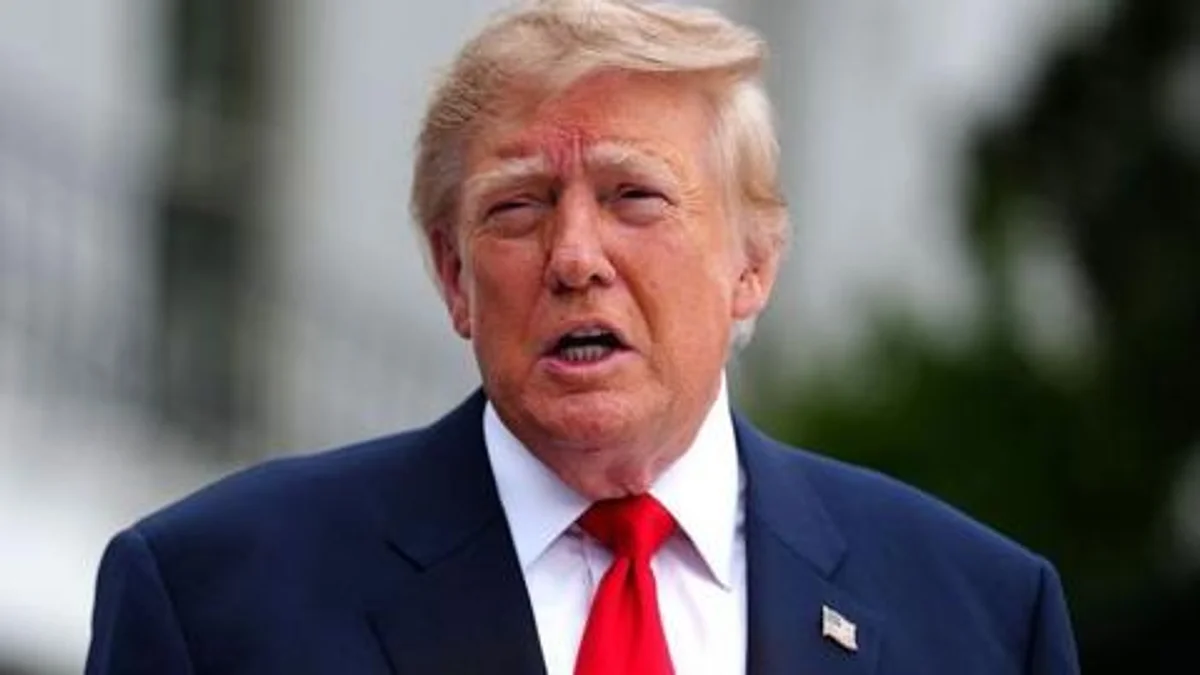
The fragile diplomatic efforts to de-escalate the ongoing conflict between Moscow and Kyiv have suffered a major setback. Ukrainian President Volodymyr Zelensky has officially rejected the energy ceasefire recently brokered by US President Donald Trump, signaling a return to full-scale hostilities involving critical infrastructure.
The short-lived agreement aimed to halt attacks on energy sectors on both sides while allowing the resumption of Russian diesel exports to global markets with partial relief from US sanctions. However, Kyiv viewed the arrangement as heavily lopsided and advantageous to Moscow.
Kyiv Grievances and Strategic Shift
Zelensky criticized the deal as a weak compromise that would ultimately fund Russia's military machine. According to Ukrainian officials, despite temporary halts on strikes against Russian refineries, Moscow continued to bombard Ukraine's power grid and infrastructure.

Furthermore, tensions between Washington and Kyiv have escalated over restrictions on satellite internet and military intelligence sharing, which Ukrainian authorities claim have hampered their defense operations. In response, Zelensky has actively sought bolstered military and financial backing from European Union leaders.
Moscow Responds to Renewed Drone Strikes
On the ground, the collapse of the truce was immediately reflected in renewed military actions. The Russian Defense Ministry reported intercepting multiple drones and missiles targeting an oil refinery in the Ryazan region, though falling debris caused localized fires.
As both nations abandon restraint regarding energy infrastructure, analysts warn that the war is entering a dangerous new phase, threatening global energy markets and international diplomatic stability.