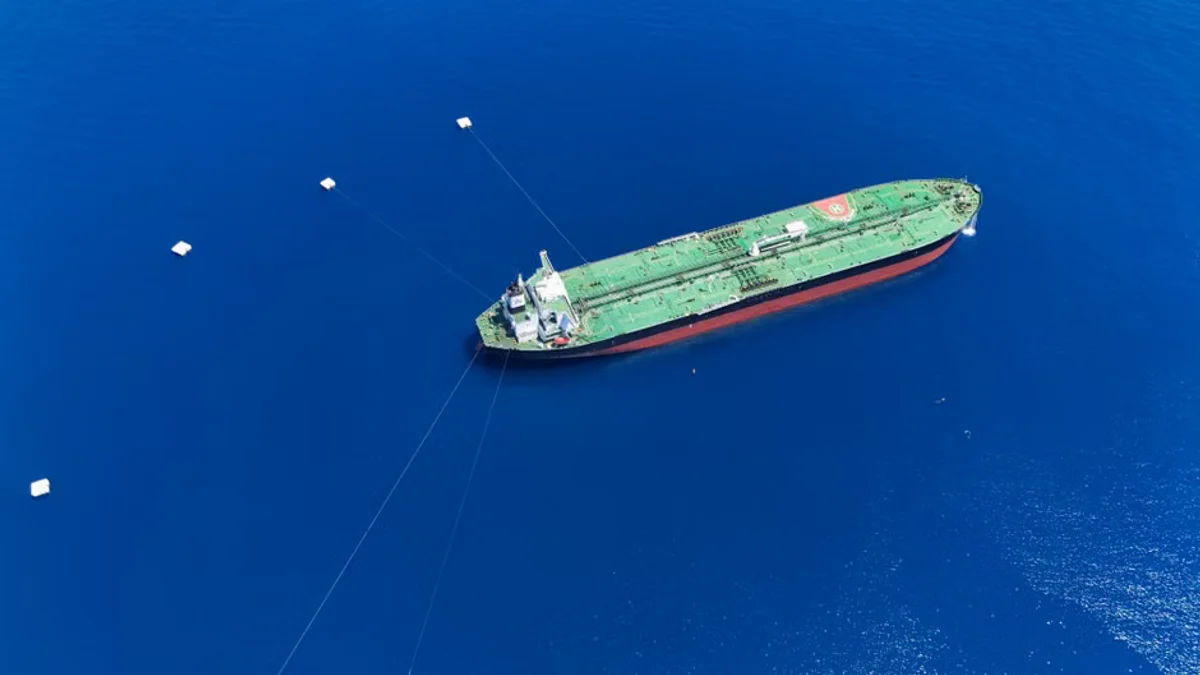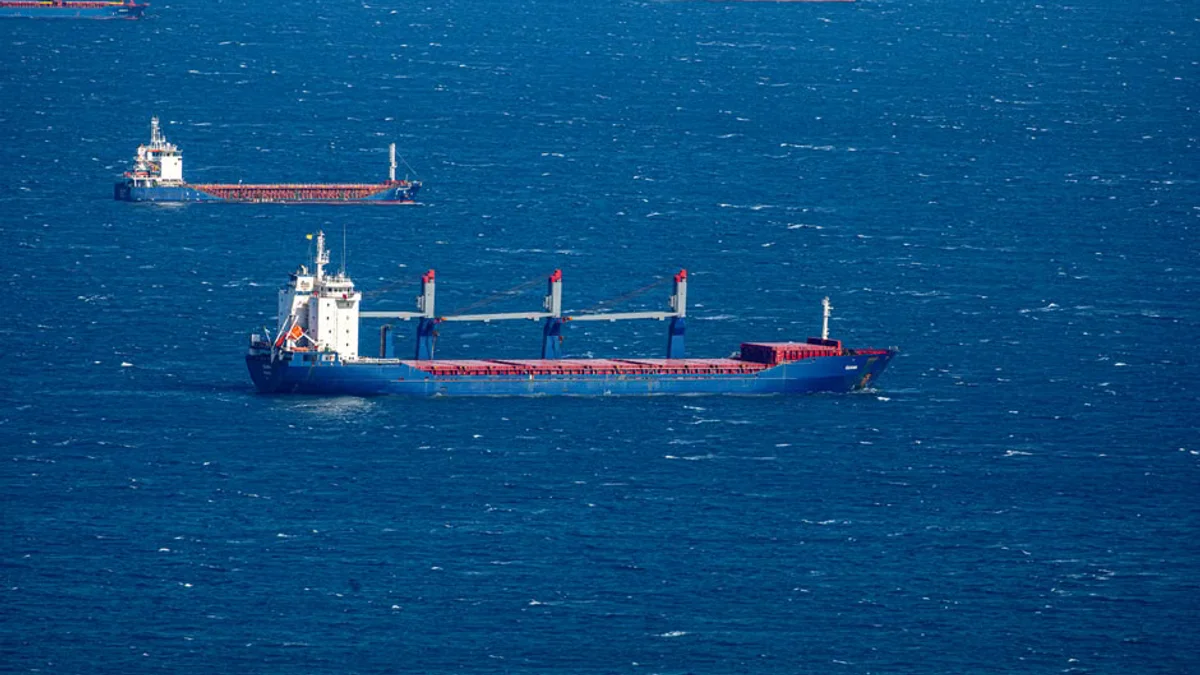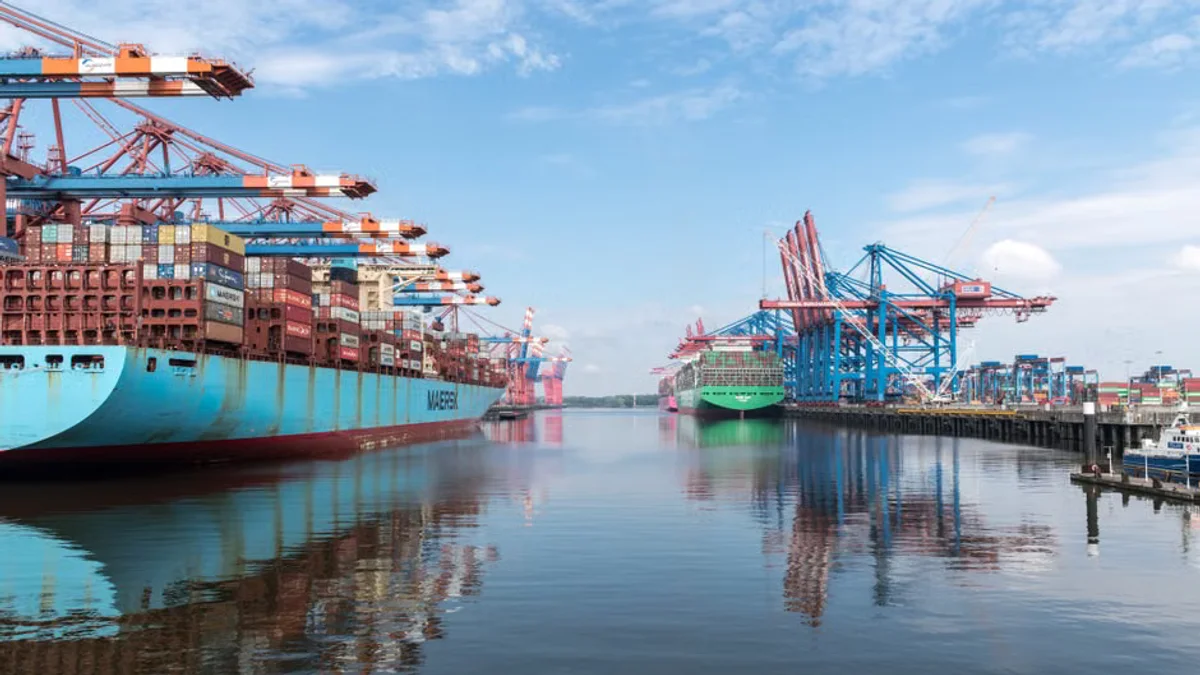
Global supply chains and international energy markets faced a severe jolt as maritime security agencies confirmed the sinking of two commercial cargo ships near the critical Strait of Hormuz. The vessels were reportedly struck amid a sharp escalation in hostile maritime activities and targeted attacks attributed to Iranian forces operating in the vital Persian Gulf chokepoint.
The Strait of Hormuz handles roughly a fifth of the world's petroleum liquid consumption, making it one of the most geopolitically sensitive waterways on Earth. The latest incidents have prompted immediate condemnation from Western governments and heightened security alerts among international shipping conglomerates. Naval coalitions operating in the region have increased patrols, while major commercial carriers are actively reassessing transit routes or pausing operations through the Gulf to protect crews and high-value cargo.
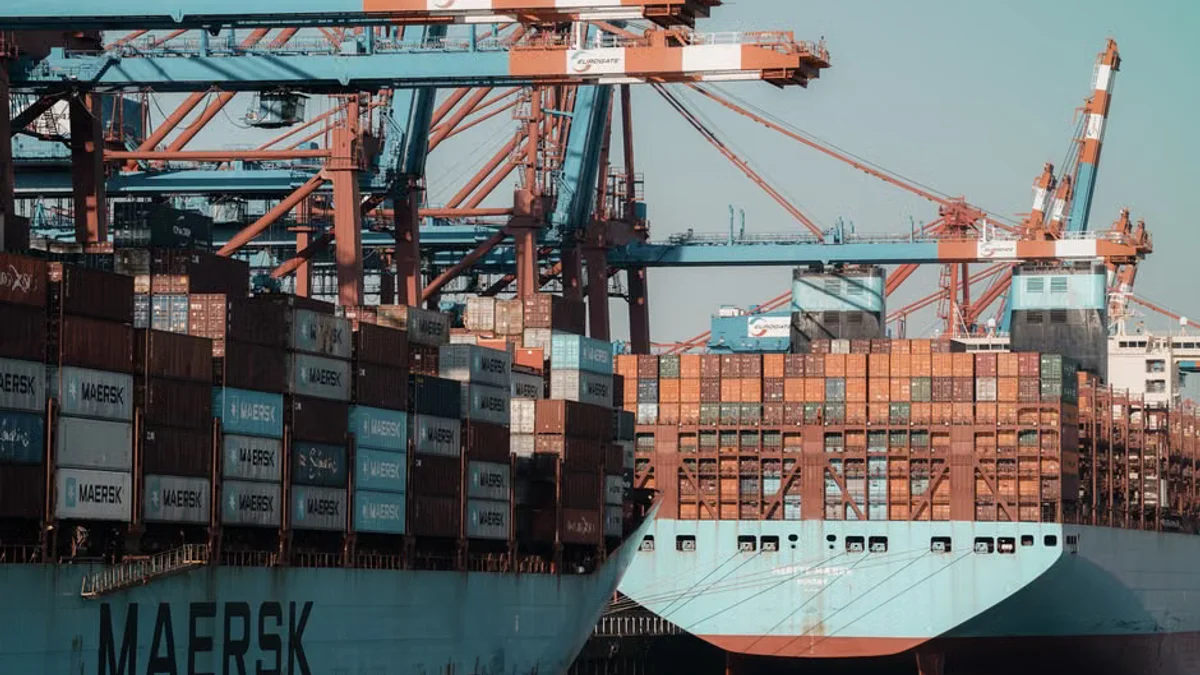
Defense analysts warn that the intensification of attacks threatens to ignite a broader regional maritime conflict, driving up global crude oil futures and inflating insurance premiums for vessels operating in Middle Eastern waters. International diplomats are scrambling to establish emergency communication channels to prevent further escalation, even as military planners review contingency options to safeguard free navigation.
Economic repercussions were swift, with energy traders pricing in heightened risk premiums immediately following news of the sinkings. Governments across the European Union, United States, and Asia are closely monitoring the situation, acutely aware that prolonged disruption in the Strait of Hormuz could derail fragile post-inflationary economic recoveries.
Key Highlights
- Two commercial cargo ships sunk near the strategic Strait of Hormuz.
- Incidents follow a sharp surge in targeted attacks within the Persian Gulf.
- Global energy markets and shipping companies react with heightened security alerts and rerouting.
As geopolitical tensions reach a critical juncture, the security of the world's premier energy corridor remains paramount to global economic stability.