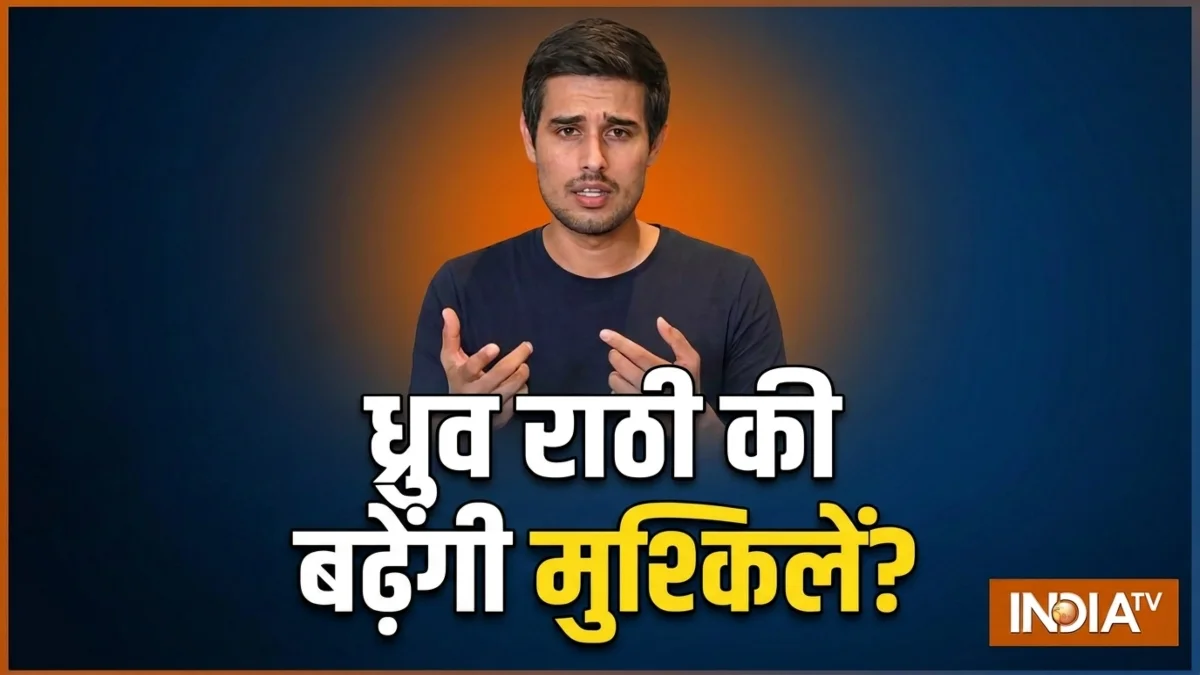
Youtuber Dhruv Rathee Faces Legal Trouble Over 2018 Defamation Case
Popular digital content creator and YouTuber Dhruv Rathee has encountered fresh legal complications as a Delhi court has taken a strict stance in a years-old defamation matter. The Saket Court in New Delhi has officially issued a bailable warrant against him following his absence and failure to respond to earlier court summons regarding a contentious video uploaded several years ago.
According to judicial updates, the magistrate's court was forced to take this step after process servers reported that Rathee's residence remained locked during attempts to physically serve the court notices. The case dates back to 2018 and has witnessed various procedural delays over the proper delivery of legal summons due to the accused frequently residing abroad.
Background of the 2018 Controversy
The core dispute originates from a video released by Rathee back in May 2018, which featured commentary regarding the ruling party's digital media operations. Complainant Vikas Pandey formally approached the judiciary alleging that the statements and allegations made in that video were entirely baseless, malicious, and specifically intended to damage his reputation and public standing.
Legal representatives for the complainant have repeatedly emphasized that the prolonged delay in the trial occurred because the accused was difficult to reach through standard domestic delivery channels, given his overseas residency. Despite these hurdles, the complainant persisted with legal avenues to ensure accountability under criminal defamation laws.
Next Hearing Scheduled for October 31
With the issuance of the bailable warrant, the legal pressure has intensified. The court has listed the matter for further proceedings on October 31. Observers and legal analysts are closely watching to see whether the prominent social media personality will appear before the bench to address the allegations or contest the procedural steps.
This high-profile case highlights the increasing judicial scrutiny on digital content creators and online commentary, balancing freedom of expression with the stringent protections against defamation under Indian law.