
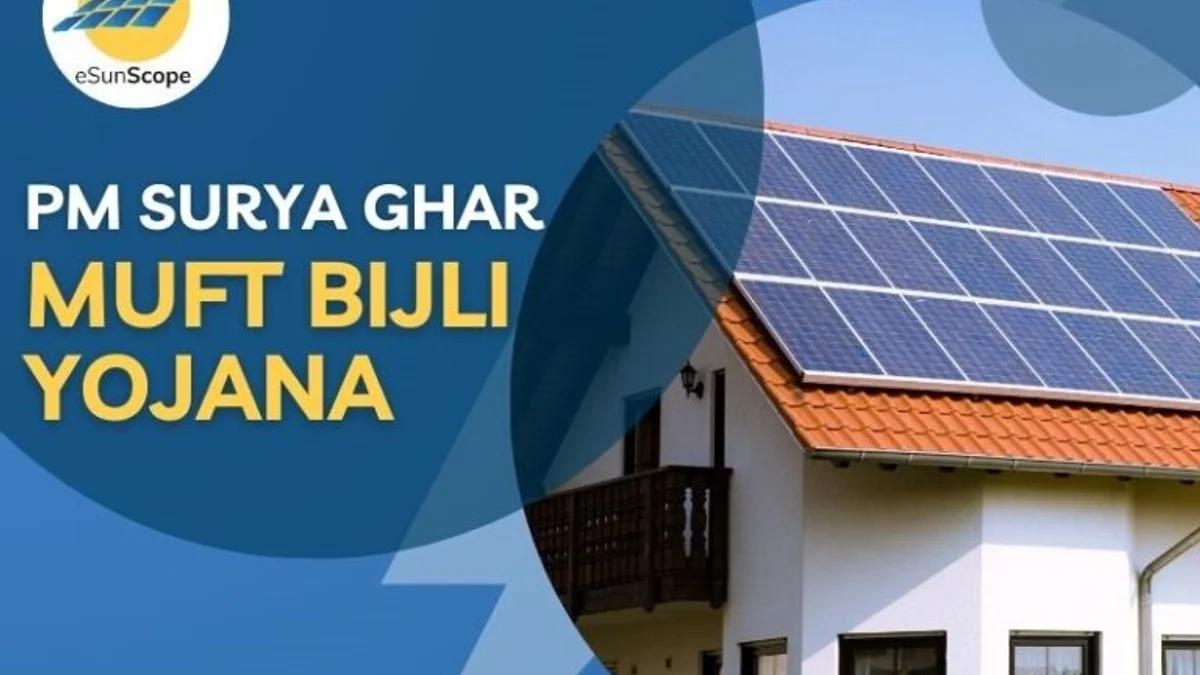
While rooftop solar energy offers a sustainable solution to drastically cut electricity expenses, many residential consumers face hurdles due to a lack of awareness regarding technical requirements, approved vendors, and government subsidies. To bridge this gap, the 'Solar Didi' initiative has emerged as an impactful community-driven mechanism empowering women while accelerating green energy adoption.

What is the 'Solar Didi' Initiative and How Does it Function?
Under the aegis of renewable energy promotion and the Deendayal Antyodaya Yojana-National Urban Livelihoods Mission (DAY-NULM), women affiliated with Self-Help Groups (SHGs) undergo specialized training. They are educated on rooftop solar dynamics, application workflows, eligibility criteria, and consumer rights.
Equipped with this technical knowledge, these 'Solar Didis' act as frontline community advocates. They guide homeowners through site assessment basics, choosing registered vendors, and navigating the national application portal, effectively eliminating intermediaries and ensuring a seamless transition to solar power.
Synergy with PM Surya Ghar: Muft Bijli Yojana
Launched in February 2024, the PM Surya Ghar: Muft Bijli Yojana aims to install rooftop solar systems on one crore residential properties across India by March 2027. Under this scheme, eligible consumers receive direct central financial assistance (subsidies) to offset installation expenses.
State renewable energy development agencies, such as UPNEDA in Uttar Pradesh, rely on grassroots mobilization to drive adoption. The 'Solar Didi' framework integrates community awareness into institutional policy, creating a reliable bridge between households, nodal agencies, and technical installers.
A Dual Leap: Clean Energy and Women's Empowerment
Beyond promoting green transition and lowering monthly utility bills, this initiative opens economic and leadership avenues for women in the clean technology sector. By mastering technical and administrative facets of renewable energy, women are transforming into vital change-makers within their communities.
This explanatory report is compiled based on official guidelines of the Ministry of New and Renewable Energy and state nodal agencies. Subsidy disbursements and eligibility criteria remain subject to official scheme norms.
States & Regional Bureau, The Freelance
Verified Editorial DeskState Affairs & Grassroots Reporting Bureau
Delivering verified, on-the-ground reporting on state governance, regional development, grassroots public challenges, and local administrative reforms across India. We are committed to unbiased, factual journalism based on verified agencies, official statements, and on-the-ground correspondents.