
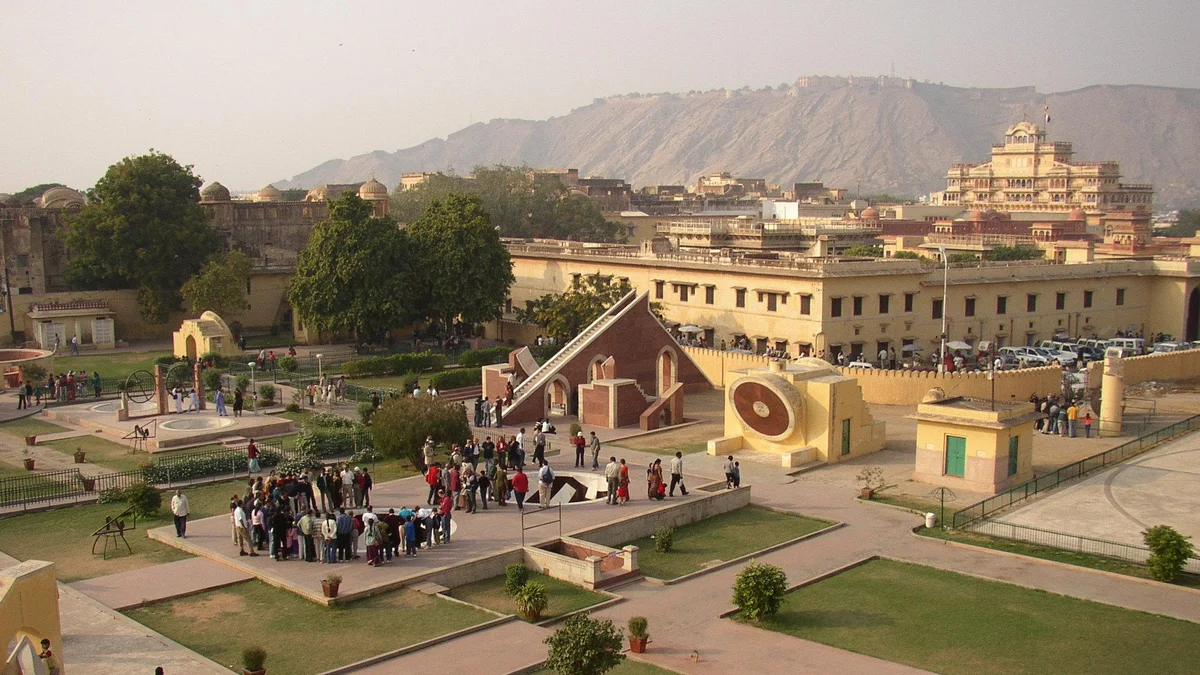
In any vibrant democracy, peaceful protest is neither an organized festival nor a celebratory banquet; its very essence lies in knocking on the doors of power and making citizens' grievances heard. However, the systematic push to exclude historic venues from the official list of designated protest sites signals a growing barrier between rulers and the governed. Denotifying central hubs like Jantar Mantar and relegating demonstrations to peripheral fields outside the main city core marks a concerning shift in public discourse.
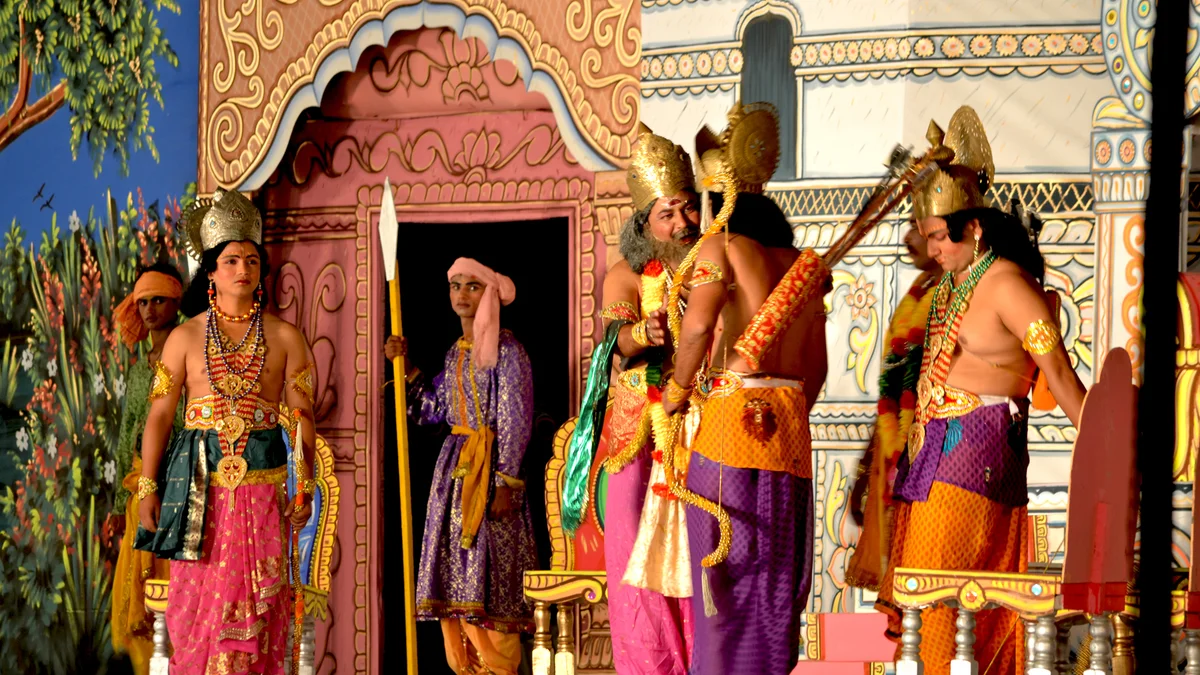
From Boat Club to Jantar Mantar, and Now Burari: A Familiar Pattern
History reflects an unmistakable trajectory in the containment of civic dissent. Prior to the early 1990s, the Boat Club lawns facing the central ministries served as the epicenter of mass demonstrations. When those voices grew too resonant for comfort, protests were restricted to Jantar Mantar. Now, after three decades, the administrative apparatus is nudging dissent even further to suburban expanses like Burari and peripheral grounds.
- Pre-1990s: Protests occurred right on the lawns of the power corridor at Boat Club.
- Post-1993: Dissent was channeled into the barricaded stretch of Jantar Mantar.
- Present: Agitations are redirected to remote city peripheries, neutralizing their immediacy.
Bureaucratic Hurdles and the Erosion of Democratic Spaces
Even prior to recent developments, holding an assembly at central protest sites required lengthy bureaucratic clearances and stringent caps on headcounts. Public outcries often erupt organically in response to urgent issues, making prolonged waiting periods counterintuitive. Relocating these venues far away effectively removes the target audience from the equation—lawmakers, civil servants, and institutional headquarters remain completely insulated from the ground reality.

Noise is a Feature of Democracy, Not a Defect
While urban management and local civic concerns regarding traffic congestion are understandable, democracy inherently thrives on visible and audible engagement. Silencing public expression by exiling it to barren outskirts reduces legitimate grievances to sterile formalities. A healthy democratic framework requires designated physical spaces where the public can hold elected representatives directly accountable without being placed out of sight and earshot.
The claims circulating on social media regarding this issue are presented for informative discourse. The Freelance does not independently certify third-party assertions. Content credit: respective social media creators and handles.


States & Regional Bureau, The Freelance
Verified Editorial DeskState Affairs & Grassroots Reporting Bureau
Delivering verified, on-the-ground reporting on state governance, regional development, grassroots public challenges, and local administrative reforms across India. We are committed to unbiased, factual journalism based on verified agencies, official statements, and on-the-ground correspondents.